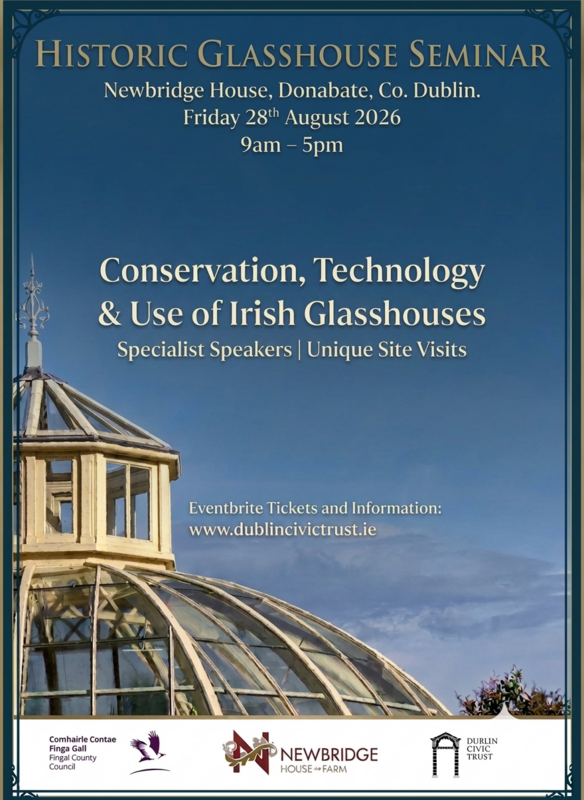
Irish Glasshouses on 28th August at Newbridge House, Donabate, Dublin
All-day in-person seminar by Dublin Civic Trust

Friday 28 August 2026, 09:15-17:15
Cost: €140
Structured CPD Points: 6 awarded by DCT (recognised by ILI)
Format: In-Person Event
Seminar Content
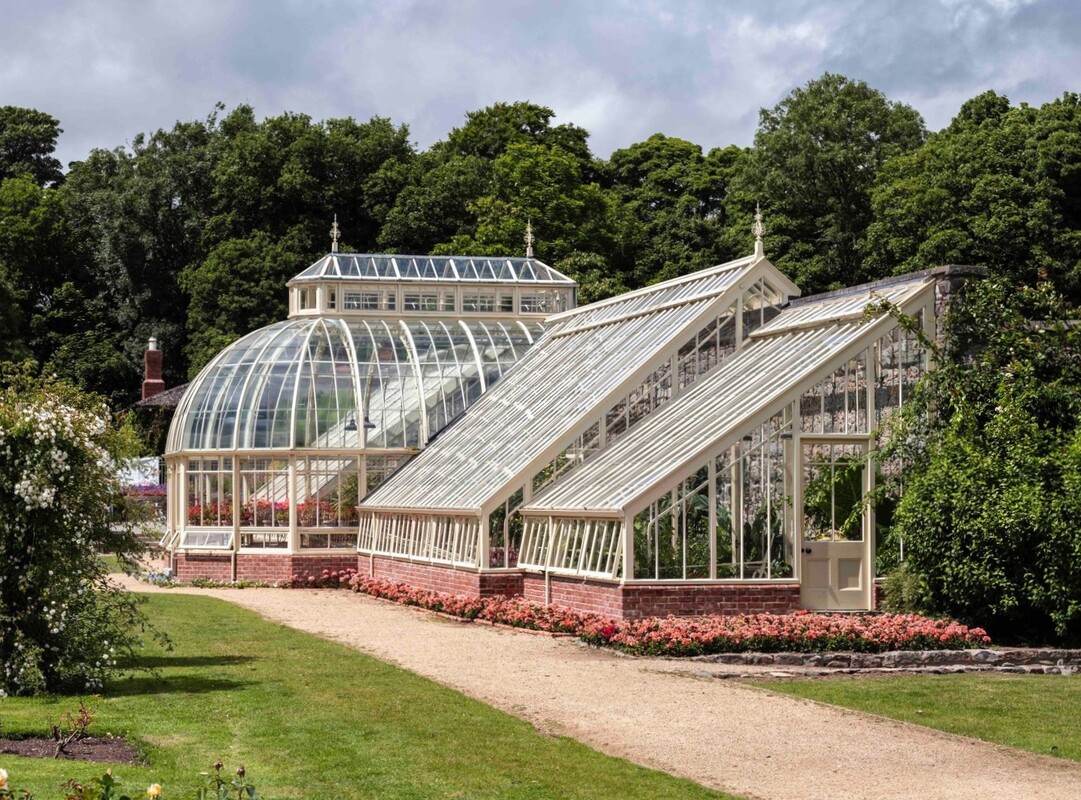
Dublin Civic Trust is delighted to present this very special one-day seminar on Historic Irish Glasshouses taking place on site in the stunning surroundings of Newbridge House, Donabate.
Hosted in conjunction with Fingal County Council and Newbridge House and Farm, this stimulating day of presentations and site visits will be led by expert speakers working on the history and active conservation of Irish glasshouses. As series of lectures and case studies will guide attendees through the use of glasshouses for productive gardening in the 18th, 19th and 20th centuries, as well as recent case studies of best practice conservation and restoration works in timber and iron from around Ireland.
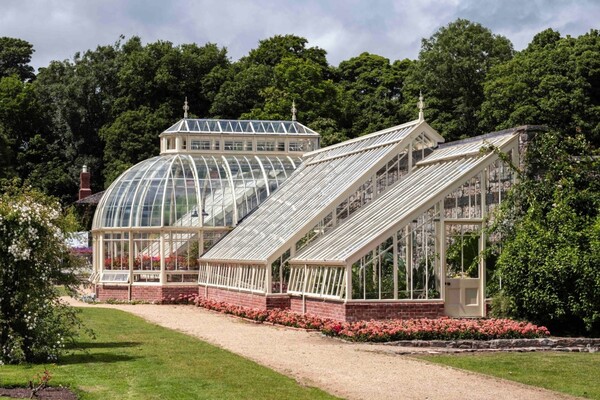
The event includes a visit to the newly restored ranges glasshouses on the Newbridge Demesne, as well as a coach visit (included) to nearby Brackenstown Demesne where extensive archaeological landscape works are underway by Fingal County Council.
This unique seminar is not to be missed by anyone engaged or interested in the fields of horticulture, historic landscape design, architectural history and conservation.
Lunch and morning refreshments are included in the price, plus a return coach trip to Brackenstown Demesne from Newbridge House (attendees must make their own way to Newbridge House by train or by road).
Programme
09:15 Introduction - Mayor of Fingal, Cllr. Tony Murphy
09:30 Irish Glasshouse Conservation - Keynote Address Ciaran O’Connor, FRIAI, former State Architect, OPW
10:00 Historic Background to Glasshouses – The Irish Context Cathal Dowd Smith, Curator & Collections Manager, Newbridge House
10:30 Glasshouse Technology Katia Papkovskaia, MRIAI, John McLaughlin Architects, Conservation Grade II
Q&A
11:10
Tea/Coffee Refreshments
11:40 Glasshouse Revival at Newbridge House, Ardgillan Castle and Malahide Castle
Kevin Halpenny, Senior Parks and Landscape Officer, Fingal County Council
12:10 Mount Anville - The Earliest Iron Glasshouse in Ireland? Hannah Loughnane, MRIAI, Five-Seven Architects, Conservation Grade I
12:40 Productive Gardens - Glasshouse Horticulture
John McCullen, author and former Chief Superintendent of Phoenix Park, OPW
Q&A
13:20 Lunch, informal walk around Newbridge glasshouses
14:45 Coach trip to Brackenstown Demesne
15:15 Tour of Brackentown Demesne
16:45 Return coach trip to Newbridge House
17:15-20 Close
Transport: A site visit to nearby Brackenstown Demesne will take place by coach, included in the ticket price. Attendees will be collected at and dropped back to Newbridge House by close of business at 17:15.
Accessibility: The seminar will take place in a marquee on the lawn of Newbridge House with a visit to the newly completed glasshouses – both are wheelchair accessible. The site visit to Brackenstown Demesne is unfortunately not wheelchair accessible.
Getting to Newbridge Demesne
y Train: We encourage attendees to take the train to Donabate and walk the delightful 15-minute route through old Donabate and the wooded demesne of Newbridge House. Exit the station on foot (cross the railway bridge westwards if needed) and take the immediate right-hand route at the fork in the road (along Turvey Avenue). After 100m, take the first left into The Square and admire St. Patrick’s Church (17th-18th centuries and older) and graveyard. Walk through the square and follow the brown finger signs for Newbridge House. Pass through the estate gates and follow the wooded path. The view opens up with a delightful vista to the house.
By Road: Enter Newbridge House and Park from the main Visitors Entrance on the R126. There is plentiful free parking a short walk from the house.
Irish Glasshouses
The earliest known Irish glasshouses date to the early 17th century and were built in local timber. High tax on glass and the expense of importing exotic plants meant these glasshouses were only built in the gardens of the wealthy, as status symbols, and therefore in close proximity to the main house.
In the early 19th century, it became common for the kitchen gardens to be positioned away from the house. They became highly productive year-round, with frames, pithouses, large vineries and orchards. Scientific advances in heating systems and horticulture soon changed how glasshouses were built and heated. Contemporary gardening journals describe heated (!) debates about the best form and materials, optimal sun angles, and means to reduce heat loss. At this time, Scottish botanist John Loudon patented the curved iron glazing bar which paved the way for Richard Turner’s weightless glasshouses. Loudon’s contemporary, Joseph Paxton, argued his timber framed, ridge-and-furrow glasshouses were far superior to iron framing. Irish examples of these kinds of glasshouses have been studied and restored in the recent decades.
Glasshouses became affordable from 1850s onwards with the abolition of glass and brick tax, and innovations in the manufacturing methods of cast iron and glass. Large-scale glasshouse manufacturers were established in the UK, readily supplying flat-packed structures from their catalogues to the Irish market. Hundreds of Irish country houses commissioned glasshouses between 1850 and 1910, following the Victorian fashion for gardening and the increased availability of exotic plant species shipped from the British colonies. Bananas were grown at Castle Leslie, Co. Monaghan, and pineapples in the walled gardens of the Kylemore Abbey. After WWI, exotic fruit and vegetables could be cheaply imported. Many big houses came into ruin after the Irish free state was formed, and glasshouses were no longer needed.
Today, remains of timber and iron glasshouses often survive in the kitchen gardens of old houses. In recent decades, many were repaired and restored. This unique one-day seminar will relay the conservation knowledge amassed during these restorations and describe the significance of historic glasshouses in Ireland.
https://www.dublincivictrust.ie/learn/courses--seminars-
Contact: Stephen Farrell [email protected]